


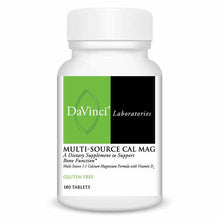
Multi-Source Cal Mag


Product Details
Mineral Support for Bone Health
DaVinci Laboratories' Multi-Source Cal Mag is a dietary supplement that may help support bone health.
This formula contains three types of chelated calcium -- citrate, aspartate, and carbonate-- that your body may be able to assimilate efficiently.
Body's Most Abundant Mineral
Calcium is your body's most abundant mineral, accounting for 2% of your total body weight.
It has a role to play in most bodily functions.
Calcium contributes to the transmission of nerve impulses; muscle contraction, including the heart muscle; blood clotting; cholesterol reduction; immune system health; strong bones and teeth; and proper sleep.
Calcium Deficiency
Yet, up to 80% of all American women are may be deficient.
The most common factors that produce calcium deficiency are poor eating habits, stress, and lack of exercise.
Birth control pills also draw on your body's calcium levels. And large intakes of dietary fat; oxalic acid, which is present in chocolate; and phytic acid, which is found in wheat bran, may block your body from absorbing calcium.
Too much phosphorus, which can be found in most soft drinks and junk food, can also result in calcium loss from bones.
Emotional or physical stress resulting from injury, pregnancy, or a strict diet can also cause a calcium loss.
Women More Prone to Deficiency
Women are more likely to become calcium deficient than are men.
Women lose bone extremely fast over the first few years after menopause. Until menopause, estrogen may help manage the parathyroid gland, which monitors the release of calcium from bones.
After menopause, however, this monitoring system may deteriorate and calcium may be lost.
Deficiency Risk Factors
- Risk factors for calcium loss include
- Small bones
- Short stature
- Fair complexion
- Slender body type
- High alcohol consumption
- Smoking
- Lack of exercise
- Insufficient dietary calcium
Deficiency Symptoms
The indications of a deficiency include
- Irritability and nervousness
- Muscle cramping and fatigue
- Osteoporosis
- Periodontal disease
- Insomnia
- High blood pressure
- Menstrual problems
- Confusion
- Throat spasms
- Muscle twitching and jerking
Recommended Daily Allowance
The recommended daily allowance (RDA) for calcium for adults is from 800 mg to 1,200 mg.
However, Health nutritionists suggest women should consider taking 1,000 mg to 1,500 mg daily, long before menopause beings to avoid calcium deficiency and osteoporosis.
Calcium Absorption
For your body to get the most out of calcium, it requires healthy phosphorus and magnesium levels.
Typically, your body needs a two-to- one ratio of calcium to magnesium.
Magnesium deficiency reduces calcium, as well as potassium, levels, resulting in enzyme problems that can affect calcium metabolism.
Calcium and magnesium also work together to boost cardiovascular health. And calcium works with phosphorus in the health of the bones and teeth.
Both magnesium and phosphorus help your body absorb calcium.
Vitamins A and C also play a role in calcium metabolism, and vitamin D is needed for its absorption.
Calcium Supplementation
Calcium supplementation in the range of 1,000 mg daily may help promote bone regeneration and maintain blood pressure within a healthy range.
In this formula, the calcium and magnesium potencies are set at a 1:1 ratio, with 450 mgs of each.
Vitamin D3 is added, as a deficiency may inhibit your body's ability to absorb calcium and magnesium.
Directions
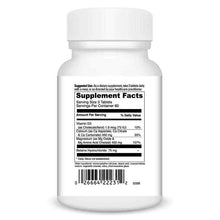
To use as a dietary supplement, take three tablets a day with a meal, or as directed by your healthcare practitioner.
Suggested Usage
As a dietary supplement, take 3 tablets daily with a meal, or as directed by your healthcare practitioner.
Ingredients
Serving Size: 3 Tablets
- Vitamin D3 (as Cholecalciferol)... 75 IU
- Calcium (as Ca Aspartate, Ca Citrate & Ca Carbonate)... 450 mg
- Magnesium (as Mg Oxide & Mg Amino Acid Chelate)... 450 mg
- Betaine Hydrochloride... 75 mg
Other ingredients: microcrystalline cellulose, stearic acid, croscarmellose sodium, vegetable stearate, silica, pharmaceutical glaze.
Contains: Soy
Warnings
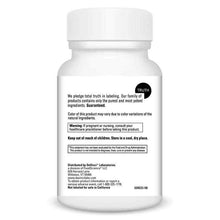
If you are pregnant or nursing, consult your healthcare practitioner before taking this or any nutritional product.
Keep out of reach of children.
Additional Information
Color of this product may vary due to color variations of the natural ingredients.
Store in a cool, dry place.
Mineral Support for Bone Health
DaVinci Laboratories' Multi-Source Cal Mag is a dietary supplement that may help support bone health.
This formula contains three types of chelated calcium -- citrate, aspartate, and carbonate-- that your body may be able to assimilate efficiently.
Body's Most Abundant Mineral
Calcium is your body's most abundant mineral, accounting for 2% of your total body weight.
It has a role to play in most bodily functions.
Calcium contributes to the transmission of nerve impulses; muscle contraction, including the heart muscle; blood clotting; cholesterol reduction; immune system health; strong bones and teeth; and proper sleep.
Calcium Deficiency
Yet, up to 80% of all American women are may be deficient.
The most common factors that produce calcium deficiency are poor eating habits, stress, and lack of exercise.
Birth control pills also draw on your body's calcium levels. And large intakes of dietary fat; oxalic acid, which is present in chocolate; and phytic acid, which is found in wheat bran, may block your body from absorbing calcium.
Too much phosphorus, which can be found in most soft drinks and junk food, can also result in calcium loss from bones.
Emotional or physical stress resulting from injury, pregnancy, or a strict diet can also cause a calcium loss.
Women More Prone to Deficiency
Women are more likely to become calcium deficient than are men.
Women lose bone extremely fast over the first few years after menopause. Until menopause, estrogen may help manage the parathyroid gland, which monitors the release of calcium from bones.
After menopause, however, this monitoring system may deteriorate and calcium may be lost.
Deficiency Risk Factors
- Risk factors for calcium loss include
- Small bones
- Short stature
- Fair complexion
- Slender body type
- High alcohol consumption
- Smoking
- Lack of exercise
- Insufficient dietary calcium
Deficiency Symptoms
The indications of a deficiency include
- Irritability and nervousness
- Muscle cramping and fatigue
- Osteoporosis
- Periodontal disease
- Insomnia
- High blood pressure
- Menstrual problems
- Confusion
- Throat spasms
- Muscle twitching and jerking
Recommended Daily Allowance
The recommended daily allowance (RDA) for calcium for adults is from 800 mg to 1,200 mg.
However, Health nutritionists suggest women should consider taking 1,000 mg to 1,500 mg daily, long before menopause beings to avoid calcium deficiency and osteoporosis.
Calcium Absorption
For your body to get the most out of calcium, it requires healthy phosphorus and magnesium levels.
Typically, your body needs a two-to- one ratio of calcium to magnesium.
Magnesium deficiency reduces calcium, as well as potassium, levels, resulting in enzyme problems that can affect calcium metabolism.
Calcium and magnesium also work together to boost cardiovascular health. And calcium works with phosphorus in the health of the bones and teeth.
Both magnesium and phosphorus help your body absorb calcium.
Vitamins A and C also play a role in calcium metabolism, and vitamin D is needed for its absorption.
Calcium Supplementation
Calcium supplementation in the range of 1,000 mg daily may help promote bone regeneration and maintain blood pressure within a healthy range.
In this formula, the calcium and magnesium potencies are set at a 1:1 ratio, with 450 mgs of each.
Vitamin D3 is added, as a deficiency may inhibit your body's ability to absorb calcium and magnesium.
Directions
To use as a dietary supplement, take three tablets a day with a meal, or as directed by your healthcare practitioner.
As a dietary supplement, take 3 tablets daily with a meal, or as directed by your healthcare practitioner.
Serving Size: 3 Tablets
- Vitamin D3 (as Cholecalciferol)... 75 IU
- Calcium (as Ca Aspartate, Ca Citrate & Ca Carbonate)... 450 mg
- Magnesium (as Mg Oxide & Mg Amino Acid Chelate)... 450 mg
- Betaine Hydrochloride... 75 mg
Other ingredients: microcrystalline cellulose, stearic acid, croscarmellose sodium, vegetable stearate, silica, pharmaceutical glaze.
Contains: Soy
If you are pregnant or nursing, consult your healthcare practitioner before taking this or any nutritional product.
Keep out of reach of children.
Color of this product may vary due to color variations of the natural ingredients.
Store in a cool, dry place.
