
Quercetin
Quercetin, a naturally occurring flavonoid, is found abundantly in a variety of fruits, vegetables, and grains. Recognized for its potent antioxidant properties, quercetin is renowned for its potential health benefits. Foods rich in this compound, such as apples, onions, berries, and leafy greens, provide a dietary source of this nutrient.
Some filters could not be applied and were reset.
-
 Quercetin Bioflavonoids, 100 Veg Capsules, by Allergy Research Group $25.99
-
 EMIQ Activated Quercetin, 60 Veg Capsules, by Bioclinic Naturals $27.99
-
 Optimized Quercetin 250 Mg, 60 Veg Capsules, by Life Extension $15.99
-
 Quercetin Plus, 90 Veg Capsules, by D Adamo Personalized Nutrition $41.99
-
 Quercetin & Pterostilbene Advanced, by Dr. Mercola $29.99 Add to cart
-
 Quercetin UltraSorb, 90 Capsules, by Pure Encapsulations $49.99
-
 Quercetin, 60 Veg Capsules, by Nutritional Frontiers $37.99
-
 Quercetin with Vitamin C Extra Strength, 60 Capsules, by Terry Naturally $25.99
-
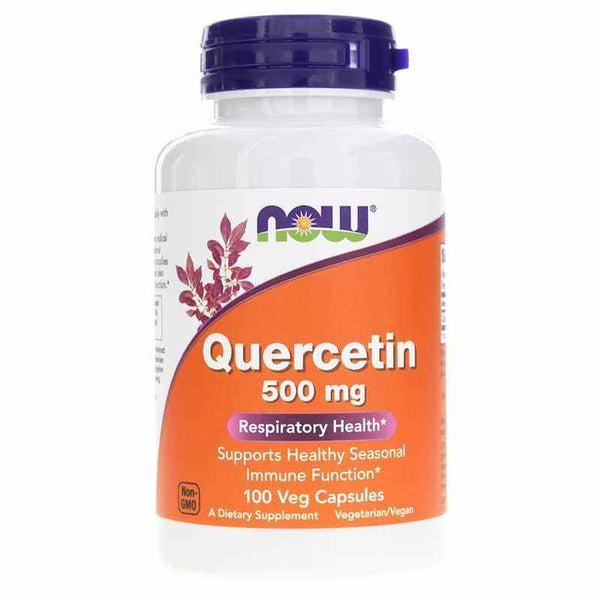 Quercetin 500 Mg, by NOW Foods $24.99 Add to cart
-
 Activated Quercetin Bioflavonoid Complex Tablets, by Source Naturals $29.99 Add to cart
-
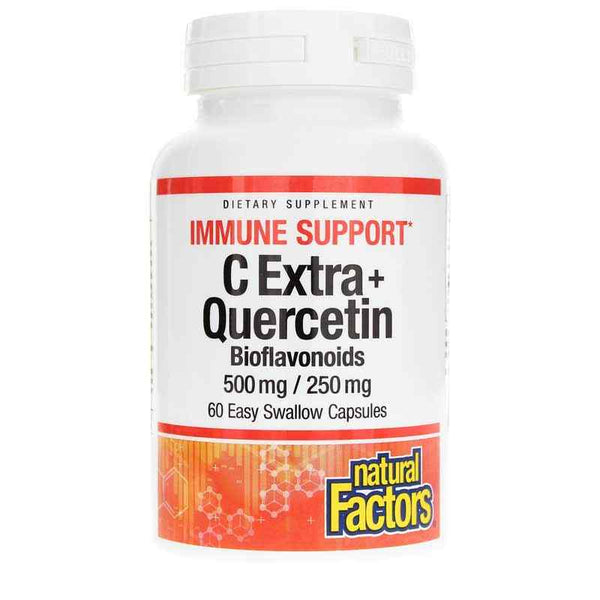 C Extra + Quercetin Bioflavonoids, 60 Capsules, by Natural Factors $13.99
-
 Vitamin C & Bio-Quercetin Phytosome, by Life Extension $22.99 Add to cart
-
 Quercetin, by Vital Nutrients $33.99 Add to cart
-
 QuerciSorb-SR, 90 Veg Capsules, by Tesseract Medical Research $48.99
-
 NAC Quercetin & Zinc, 90 Veg Capsules, by NOW Foods $28.99
-
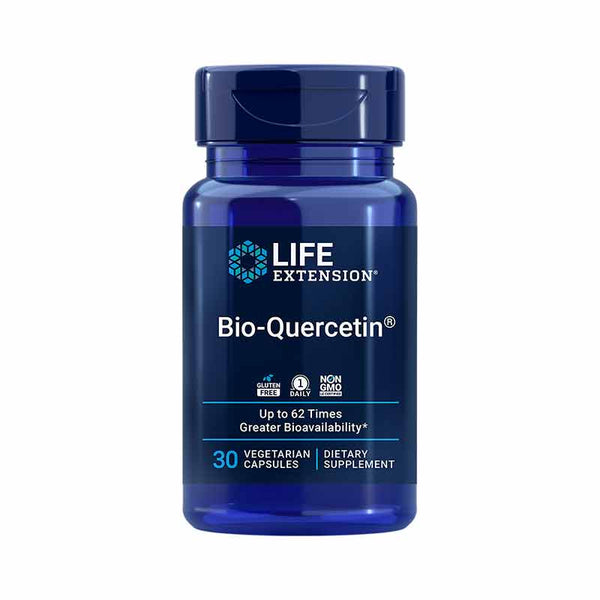 Bio-Quercetin, 30 Veg Capsules, by Life Extension $9.99
-
 Quercetin 500 Mg with Zinc & Copper, 60 Veg Capsules, by Natural Factors $23.99
-
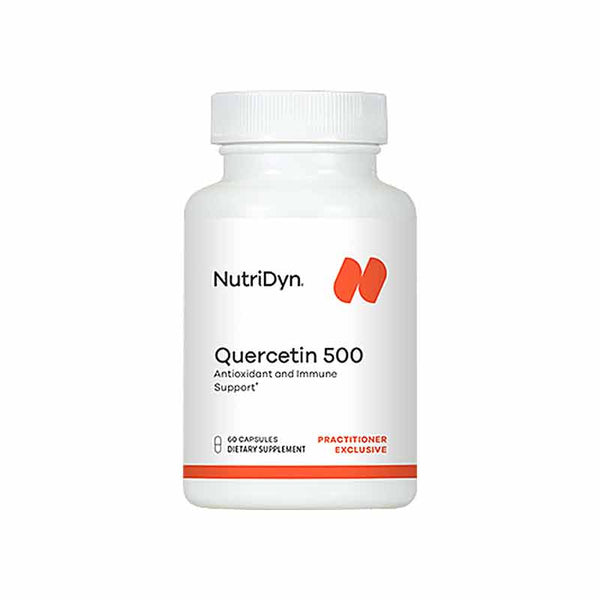 Quercetin 500, 60 Capsules, by NutriDyn $47.99
-
 Quercetin & Bromelain Plus Vitamin C Chewable, by Solaray $25.99 Add to cart
-
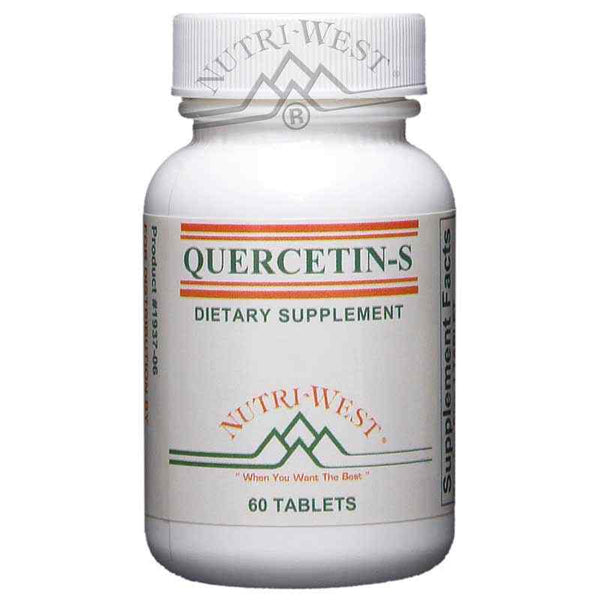 Quercetin-S, 60 Tablets, by Nutri-West $38.99
-
 IsoQuercetin, 62 Veg Capsules, by Tomorrows Nutrition Pro $70.99
-
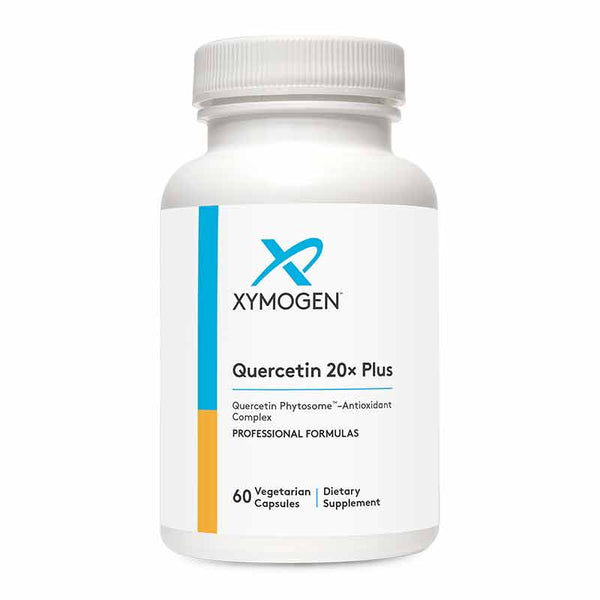 Quercetin 20x Plus, by Xymogen $29.99 Add to cart
-
 Dr. Formulated Quercetin Drop Uric Acid, 60 Vegan Tablets, by Garden of Life $22.99
-
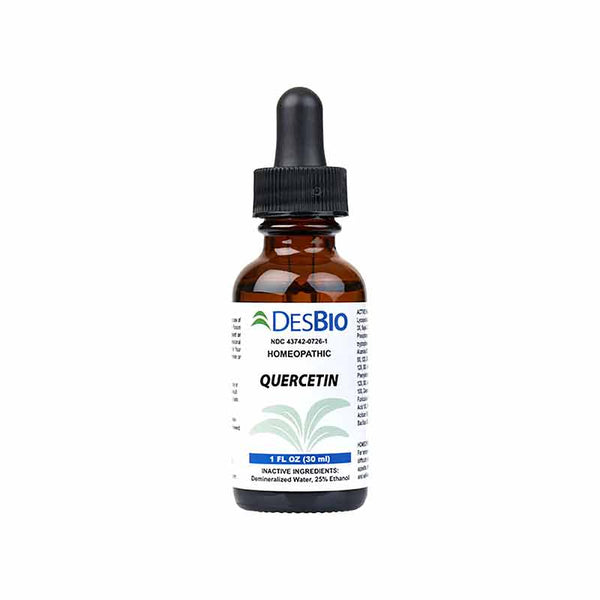 Quercetin, 1 Oz, by DesBio $35.99


About Quercetin
Many individuals, understanding its potential health advantages, also incorporate quercetin supplements into their diets. These supplements are prized for their anti-inflammatory effects and their ability to bolster the immune system, making them a popular choice among health-conscious consumers.
Over the years, quercetin has garnered significant attention in the scientific community for its potential role in promoting various facets of human health. Preliminary research suggests that quercetin may be instrumental in reducing inflammation within the body, offering relief to those grappling with conditions stemming from chronic inflammation. Furthermore, some studies have shed light on quercetin's potential in heart health, indicating its possible role in reducing blood pressure and maintaining cholesterol levels. Given its promising health implications, it's essential to approach quercetin supplementation with informed knowledge and always under the guidance of a healthcare professional.
More About Quercetin
Health Benefits of Quercetin
Quercetin, renowned for its natural antioxidant and anti-inflammatory properties, presents a range of potential health advantages. By possibly mitigating the risk of chronic ailments, quercetin underscores its significance in fostering overall well-being. Its capabilities in bolstering the immune system, championing cardiovascular health, and its anti-inflammatory prowess have earned it a coveted spot in many health enthusiasts' dietary or supplementation routines.
Quercetin Dosage
When considering quercetin supplementation, the ideal dosage hinges on individual health objectives and the specific form of the supplement. For many, daily dosages typically oscillate between 500 to 1,000 milligrams. However, given the diverse range of health needs and conditions, it's pivotal to seek counsel from a healthcare expert to ensure tailored and safe dosage recommendations, particularly if aiming to address specific health challenges or amalgamating it into a broader supplement strategy.
Food Rich in Quercetin
Dietary sources abound with quercetin, with foods such as apples, onions, berries, citrus delights, red grapes, capers, and verdant leafy greens like spinach and kale showcasing rich quercetin content. Among these, red onions and apples stand out, boasting particularly high concentrations of this flavonoid, making them dietary staples for those aiming to increase their quercetin intake.
Quercetin Side Effects
Generally, quercetin's presence in everyday foods deems it safe for consumption. Yet, delving into high-dose supplementation might usher in a few digestive disruptions, including stomach unease, diarrhea, or even occasional headaches for some. Further, potential interactions with specific medications warrant caution. Thus, it remains imperative to engage with a healthcare practitioner before embarking on high-dose quercetin supplementation or synergizing it with other medicinal regimens.
Frequently Asked Questions
How does quercetin work in the body?
Quercetin operates as an antioxidant and anti-inflammatory agent, helping to neutralize free radicals and reduce inflammation, which can protect cells and promote overall health.
What are the potential health benefits of quercetin?
Quercetin may support immune function, cardiovascular health, reduce inflammation, and possibly mitigate the risk of certain chronic diseases due to its antioxidant properties.
Can quercetin help with allergies or asthma?
Quercetin has shown potential in stabilizing mast cells, which release histamines, the primary trigger for allergy symptoms. This suggests it might be beneficial for allergy relief and asthma management, though further research is necessary.
Are there natural food sources of quercetin?
Yes, foods rich in quercetin include apples, onions, berries, citrus fruits, red grapes, capers, and leafy greens like spinach and kale.
Can quercetin be used for weight loss?
Some preliminary studies suggest quercetin may influence metabolic health and fat regulation, but its direct impact on weight loss is not well-established. Always consult a healthcare professional before using supplements for weight management.
Are there any safety concerns with quercetin use?
In typical dietary amounts, quercetin is considered safe. However, high-dose supplementation might lead to digestive issues or interact with certain medications. It's advisable to consult a healthcare provider before starting a high-dose regimen.
What is the role of quercetin in skin health?
Quercetin's antioxidant properties can potentially protect the skin from damage by free radicals and UV radiation, possibly helping in preventing premature aging and promoting skin health.
Is quercetin suitable for children or seniors?
While quercetin is found naturally in many foods and is generally safe, the use of quercetin supplements for children or seniors should be approached with caution and under the guidance of a healthcare professional to ensure safety and appropriateness.